


Salini™ UNG Uracil-N-Glycosylase
Price on request
| SKU | Price | Quantity |
|---|---|---|
| 31-01-00100 | Price on request |
Description
From Solis BioDyne, this heat-labile Uracil-N-Glycosylase eliminates uracil from dUTP-containing DNA by catalysing the hydrolysis of the N-glycosylic bond, creating an abasic site that blocks the DNA from serving as a template in further amplification. The enzyme originates from the bacterial genus Salinivibrio and carries a patented genetic modification in its polypeptide structure known as the Stability TAG, which delivers exceptional stability. Manufacturer data indicate it remains stable for at least two weeks at 37°C and three months at 25°C.
Salini UNG™ is fully inactivated by heat treatment at 70°C for 5 minutes, with no reactivation observed after storage at 4°C or 25°C for 48 hours or at –20°C for at least one month. It is compatible with Sanger sequencing and can be combined with a range of DNA polymerases and reverse transcriptases without compromising performance, making it well suited to carryover contamination prevention in (q)PCR, RT-(q)PCR, and LAMP workflows that use dUTP-containing mixes.
Documented applications include elimination of carryover contamination in PCR and LAMP, enhancement of cloning efficiency for PCR products, site-directed mutagenesis, protein–DNA interaction studies, glycosylase-mediated single nucleotide polymorphism detection (GMPD), DNA repair and mutation studies, and SNP genotyping. For qPCR the manufacturer recommends a final concentration of 0.025–0.04 U/µl, and 0.005–0.01 U/µl for endpoint PCR; LAMP reactions require scaling up due to higher product yields. One unit is defined as the amount that catalyses 50% degradation of 5 µg of uracil-containing dsDNA in 15 seconds at 37°C. For research use only.
Other customers also viewed
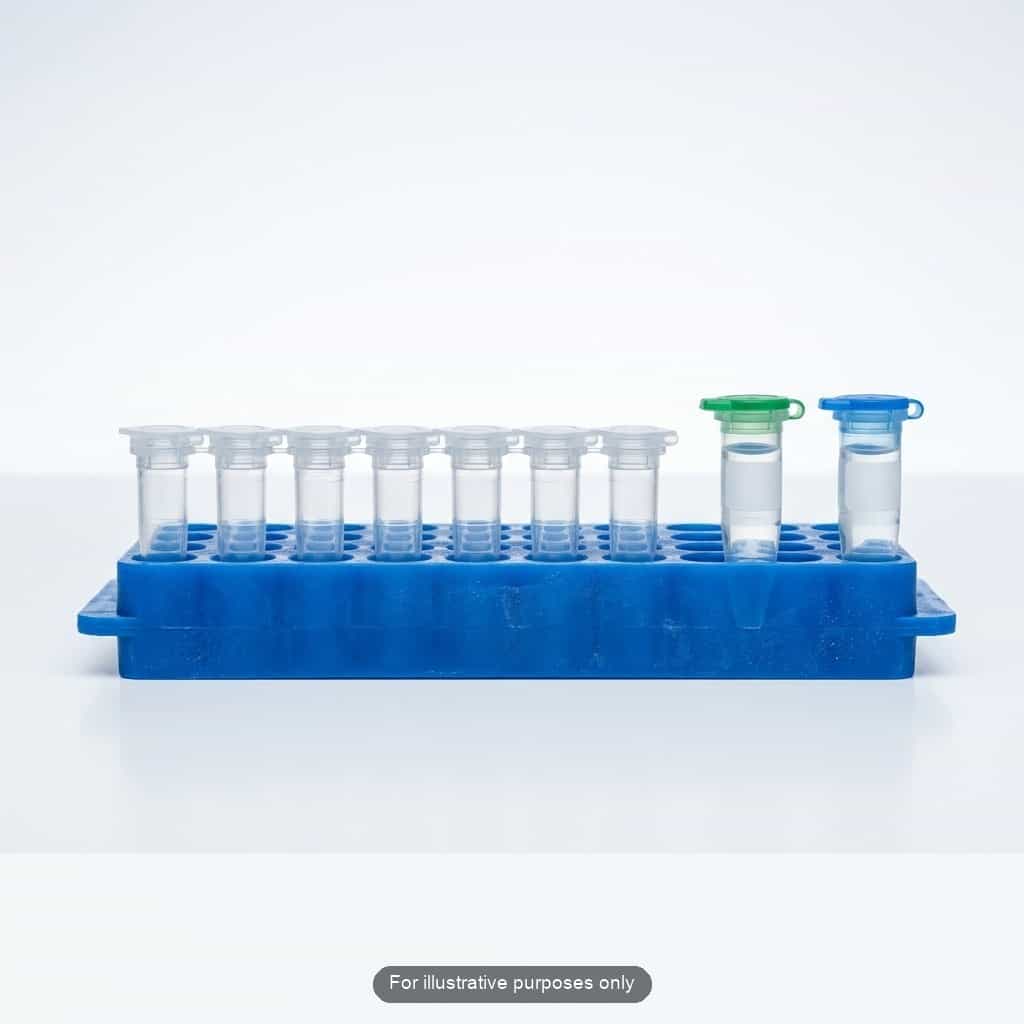
SoliSD™ Bsm DNA Polymerase Kit
Price on request
SolisFAST® Lyo-Ready qPCR Kit with UNG
Price on request
SolisFAST® 1-step RT-PCR Kit with UNG
Price on request
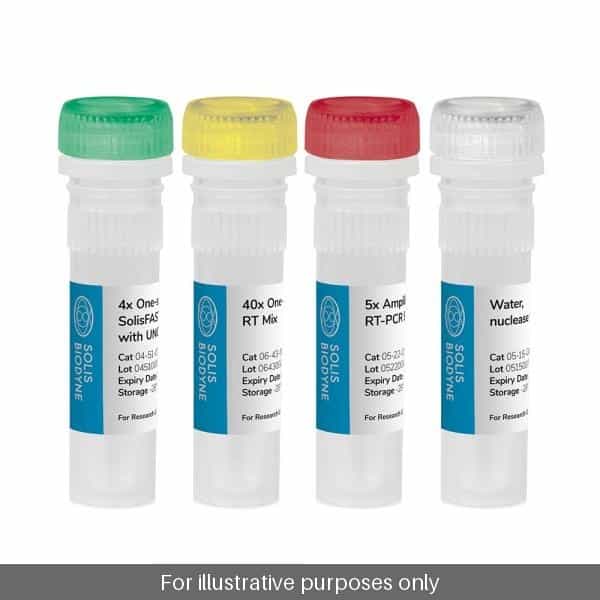
SolisFAST® 1-step RT-PCR Kit with UNG
Price on request
SolisFAST® 1-step RT-PCR Kit with UNG
Price on request
SolisFAST® 1-step RT-PCR Kit with UNG Ready to Load
Price on request
SolisFAST® 1-step RT-PCR Kit with UNG Ready to Load
Price on request
SolisFAST® 1-step RT-PCR Kit with UNG Ready to Load
Price on request

HOT TERMIPol® DNA Polymerase
Price on request

HOT TERMIPol® DNA Polymerase
Price on request