


TissueLyser III
Price on request
| SKU | Price | Quantity |
|---|---|---|
| 9003240 | Price on request |
Description
A bead mill homogenizer from QIAGEN designed for medium- to high-throughput sample disruption for molecular analysis. The instrument simultaneously disrupts multiple biological samples through high-speed shaking in tubes or 96-well plates using stainless steel, zirconium, ceramic, or glass beads. Depending on the adapter used, up to 48 samples in 2 mL tubes or up to 192 samples in 96-well plates can be processed per run. Throughput options include 2 × 96 collection microtubes (1.2 mL), 2 × 96-well plates (2 mL), 2 × 24 tubes (2 mL), 2 × 16 tubes (5 mL), and 2 × 4 tubes (50 mL).
The system operates at 100–120/220–240 V, 50/60 Hz with variable disruption frequencies from 3 to 30 Hz (180–1800 oscillations/minute). A touchscreen and rotary knob simplify running and customizing protocols, with 7 pre-programmed protocols and 5 customizable protocols available. Custom program cycles can also be created to set specific disruption parameters. Tubes and plates remain securely sealed during disruption to prevent cross-contamination, and disposable tubes eliminate the need for cleaning. For larger samples, a Grinding Jar Set can be used; samples are placed in a 10 mL jar containing a grinding ball and shaken at high speed. A range of bead dispensers and beads are available separately.
Instrument dimensions are 385 mm wide × 350 mm tall × 470 mm deep, weighing approximately 27.5 kg without an adapter set installed. Power requirements are 100–240 V AC, 50/60 Hz, 185 W. The instrument is intended for indoor use at operating temperatures of 5–40°C. It serves as a front-end solution for QIAGEN's automated workflows and is compatible with QIAcube Connect, QIAcube HT, QIAsymphony SP, and EZ2 Connect systems, as well as all QIAGEN kits for purification of DNA and RNA. It is well-suited for high-throughput disruption of animal and plant tissues, bacteria, and yeast, including difficult-to-lyse samples.
Other customers also viewed
QIAvac HiSpeed LS
Price on request
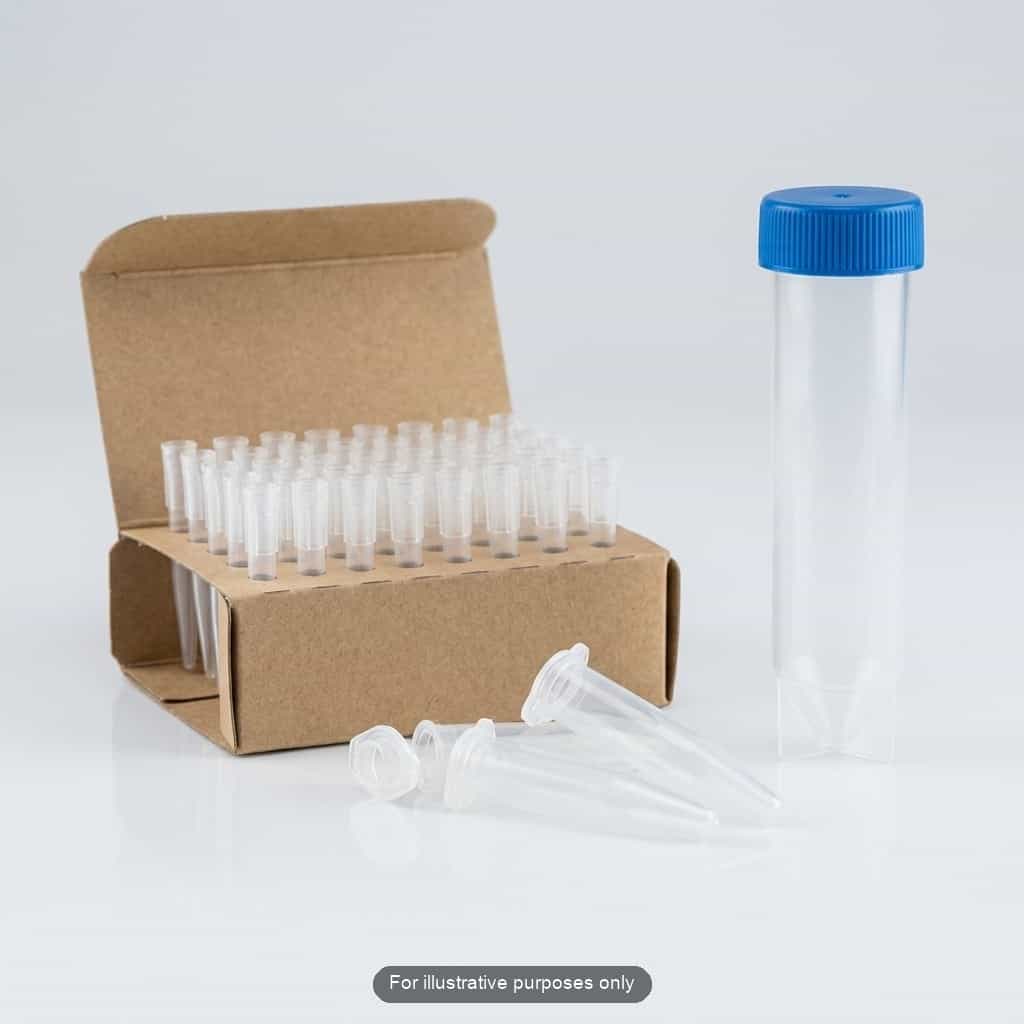
TissueLyser LT Adapter, 12-Tube
Price on request
Adapter Bottom Plates (2)
Price on request
Vacuum Pump (230 V, 50 Hz)
Price on request
PyroMark Q96 Cartridge (3)
Price on request
QIAcube Custom Protocol
Price on request
Lock Bolt (1)
Price on request
QIAcube (110V)
Price on request

EZ1 Advanced
Price on request
EZ1 Advanced XL
Price on request