


Rt Recom TNF-alpha, 50 µg
Price on request
| SKU | Price | Quantity |
|---|---|---|
| 78124.1 | Price on request |
Description
Rat recombinant TNF-α (tumor necrosis factor alpha) is a pro-inflammatory cytokine produced primarily by activated T cells and macrophages in response to inflammation and infection, and also by B cells, NK cells, mast cells, neutrophils, dendritic cells, microglia, endothelial cells, smooth muscle cells, cardiomyocytes, and fibroblasts. It signals through the NF-κB, MAPK, and PI3K/AKT pathways, exerts cytotoxic effects on cancerous cells by stimulating anti-tumor immunosuppressive responses, upregulates E- and P-selectins to facilitate adhesion of neutrophils, monocytes, and memory T cells to activated platelets and endothelial cells, and contributes to vasodilatation and edema formation. In adult rat neural progenitor cell studies, TNF-α reduces neurogenesis in dentate gyrus-derived NPCs and promotes astrogliogenesis in subventricular zone-derived NPCs.
Produced by STEMCELL Technologies, this preparation is expressed in P. pastoris, lyophilized after dialysis against phosphate-buffered saline, and has a predicted molecular mass of 17.4 kDa. Alternative names include Cachectin, Cytotoxin, Differentiation-inducing factor (DIF), Necrosin, TNFA, TNFSF2, and Tumor necrosis factor. The specific activity is ≥ 2.0 x 10^7 units/mg (EC50 ≤ 0.05 ng/mL), as determined by a cytotoxicity assay of mouse L929 cells in the presence of actinomycin D. Purity is ≥ 95%, and the endotoxin level is ≤ 0.2 EU/μg protein as measured by kinetic Limulus amebocyte lysate (LAL) analysis.
Store at -80°C; the product is stable as supplied for 12 months from the date of receipt. Centrifuge the vial before opening and reconstitute in sterile water to at least 0.1 mg/mL by pipetting the solution down the sides of the vial — do not vortex. As a general guide, do not store at 2–8°C for more than 2 weeks or at –20°C for more than 3 months, and avoid repeated freeze-thaw cycles. For research use only; not intended for human or animal diagnostic or therapeutic uses unless otherwise stated.
Other customers also viewed
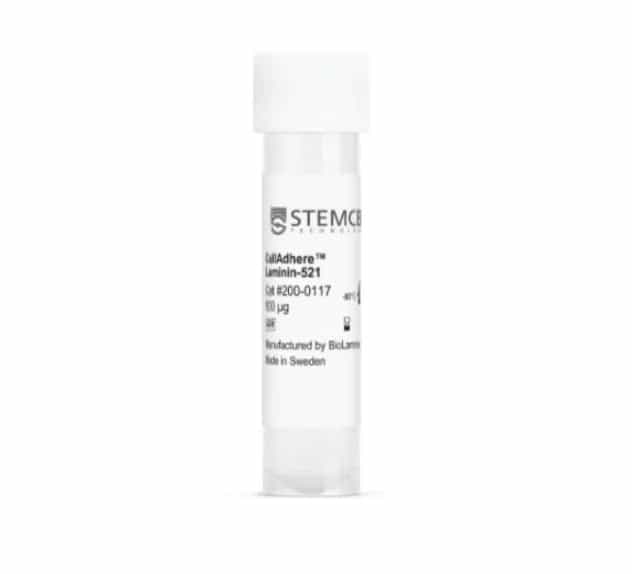
Laminin-521, 100 µg
Price on request
Annexin V, FI, 25tests
Price on request
Annexin V, PE, 25tests
Price on request
Wheat Germ Agglutinin, II, 1000ug
Price on request
Wheat Germ Agglutinin, IO, 1000ug
Price on request
Hu Abeta1-42 peptide (TFA salt), 0.5 mg
Price on request
Hu Apolipoprotein A-I, 100 _g
Price on request
Hu ASAM, 100 _g
Price on request
Hu ANGPTL2, 100 _g
Price on request
Hu Apolipoprotein H, 100 _g
Price on request